Review: Light in the Darkness Sleeve SVG for Embroidery
As a designer who has spent countless hours digitizing and stitching out files for clients, I have learned that not every graphic translates well to thread. We often browse marketplaces looking for the next best-seller, scrolling through endless T-Shirt Designs and digital assets. When I first encountered the Light in the Darkness Sleeve Svg Design, my initial reaction was cautious optimism. The title suggests a high-contrast, perhaps chiaroscuro-inspired aesthetic, which can be notoriously difficult to execute in embroidery without losing detail or creating excessive bulk.
I decided to put this design through its paces, not just as a digital preview, but as a tangible embroidery project. My goal was to determine if this file holds up under the needle, particularly for small business owners and Etsy sellers who rely on quality consistency to build brand trust. Here is my practical assessment of how this design performs in real-world applications.
First Impressions and Visual Mood
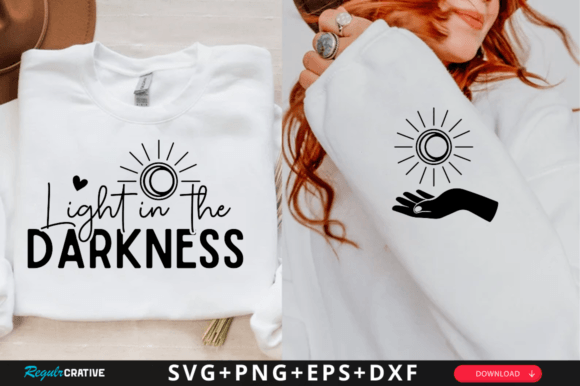
The immediate appeal of the Light in the Darkness Sleeve Svg Design lies in its thematic depth. It evokes a sense of hope and resilience, making it an excellent candidate for meaningful personalized gifts. Visually, the design relies on strong contrasts. In the world of Graphics, this is easy to achieve with pixel-perfect gradients. In embroidery, however, we are limited by thread colors and stitch types.
The layout appears versatile, suitable for various placements. While marketed broadly for t-shirts and mugs, my focus was on textile application. The "sleeve" aspect of the name implies a vertical or elongated composition, which is ideal for arm placements on sweatshirts or side seams of tote bags. This verticality helps elongate the silhouette of the garment, adding a subtle fashion-forward element to what might otherwise be a basic item.
Real-World Application: The Sweatshirt Test
To test the viability of this design, I chose a mid-weight cotton blend sweatshirt. This is a staple product for many craft businesses and boutique brands. I positioned the design on the left sleeve, a popular spot for subtle branding or decorative accents.
Stitching out the Light in the Darkness Sleeve Svg Design required careful attention to stitch density. Designs with high contrast often utilize dense fill stitches to create solid dark areas against lighter backgrounds. On a stretchy fabric like a sweatshirt, this can lead to puckering if not managed correctly. I used a cut-away stabilizer to provide permanent support, ensuring the fabric remained smooth after washing. The result was crisp. The transition between the "light" and "dark" elements was handled effectively, likely through strategic color changes rather than complex gradient stitching, which keeps production time reasonable for commercial runs.
Versatility Across Products
Beyond sweatshirts, this design shows promise for several other handmade products:
- Tote Bag Design: Placed on the corner of a canvas tote, the vertical orientation complements the bag’s structure. It adds a sophisticated touch to everyday carry items.
- Embroidered Patch: If stitched on twill with a merrowed edge, this could become a standalone patch. Patches allow customers to apply the design to jackets or hats later, increasing the product's utility.
- Holiday Embroidery: The theme fits well with winter holidays or events celebrating new beginnings. It works beautifully on pillow covers or table runners for seasonal decor.
- Baby Embroidery: For softer items, scaling down the design for baby onesies requires checking the smallest details. Ensure that tiny elements do not become lost in the fabric texture.
Technical Considerations for Stitchers
While the aesthetic is strong, technical execution is where many machine embroidery design files fail. Here are specific areas where you need to exercise caution when using the Light in the Darkness Sleeve Svg Design.
Fabric Texture and Contrast: This design relies on visibility. On dark fabrics, ensure your "light" threads have high luminance. On light fabrics, your dark threads must be rich and saturated. I recommend testing on scrap fabric first. A printable mockup can help visualize placement, but nothing replaces a physical test stitch. Check how the thread colors interact with the fabric dye; some dark fabrics may bleed or dull the contrast.
Small Details and Corners: If the design includes intricate lines or sharp corners, verify the stitch type. Satin stitch borders can snag if they are too wide or if the underlay is insufficient. For curved surfaces like caps, the design may need to be simplified or resized to prevent distortion. Caps have a tight curvature that can warp detailed graphics, so a simpler version of the design might be necessary for headwear.
Density Management: High-density areas can make garments stiff and uncomfortable, especially on sleeves where the arm bends. Review the stitch count if provided. If the file feels too dense, consider using a lighter weight thread or adjusting the density settings in your embroidery software before stitching. This is crucial for custom apparel that needs to remain wearable and soft.
Commercial Viability and Brand Value
For small shop products and digital embroidery file sellers, the perceived value of the finished product is paramount. The Light in the Darkness Sleeve Svg Design offers a professional look that can elevate a basic garment into a premium item. Customers are increasingly drawn to items that tell a story or convey a mood, and this design delivers that emotional connection.
When listing this on platforms like Etsy, use high-quality photos that show the texture of the stitches. Highlight the craftsmanship. Mention that it is a commercial embroidery ready design, but always advise buyers to check the specific license terms. Some designers allow unlimited sales of finished physical items, while others may restrict digital redistribution. Clarity here builds customer trust and protects your business.
Practical Designer Notes
- Test Before You Sell: Never assume a file is perfect. Stitch it out on the exact fabric you plan to sell. Check for registration issues where colors meet.
- Check Hoop Size: Ensure the design fits within your standard hoop sizes. If it is a large sleeve design, you may need a 5x7 or 6x10 hoop. Confirm dimensions before purchasing.
- Contrast is Key: This design lives or dies by contrast. Avoid low-contrast thread combinations unless you are aiming for a subtle, tonal look.
- Stabilizer Selection: Match your stabilizer to the fabric. Knits need cut-away; wovens can often use tear-away. Proper stabilization prevents puckering and ensures the design lays flat.
- Licensing Verification: Always read the license agreement. Confirm whether you can use the design for design assets in print-on-demand services or if it is strictly for physical embroidered goods.
Final Verdict
The Light in the Darkness Sleeve Svg Design is a compelling addition to any designer’s library. It bridges the gap between symbolic art and wearable decor. While it requires thoughtful execution regarding density and fabric choice, the payoff is a sophisticated, emotionally resonant product. For apparel decorators and creative entrepreneurs, this design offers a unique opportunity to create standout pieces that go beyond generic motifs. With proper testing and attention to detail, it can become a signature element in your finished product lineup, appealing to customers who value both aesthetics and meaning in their handmade treasures.